Services

Independent investigations, clear answers.

From single-room moisture problems to whole-of-building HVAC investigations, our work is engineered to stand up to scrutiny.

Mould Assessment & Sampling

Before any samples are collected, we form a working hypothesis about moisture source and cause. Sampling is designed to test that hypothesis — not to generate numbers in search of a conclusion.

Sampling is one part of a mould investigation, not the whole thing. We use spore trap, culturable and surface sampling where it adds value — collected to a defined plan, processed by a NATA-accredited laboratory, and interpreted in the context of the full investigation.

  • Targeted air sampling (spore trap and culturable) guided by a working hypothesis
  • Surface sampling — tape lift, swab and bulk
  • NATA-accredited laboratory analysis
  • Results interpreted alongside moisture, HVAC and building data — not in isolation
Moisture & Building Diagnostics

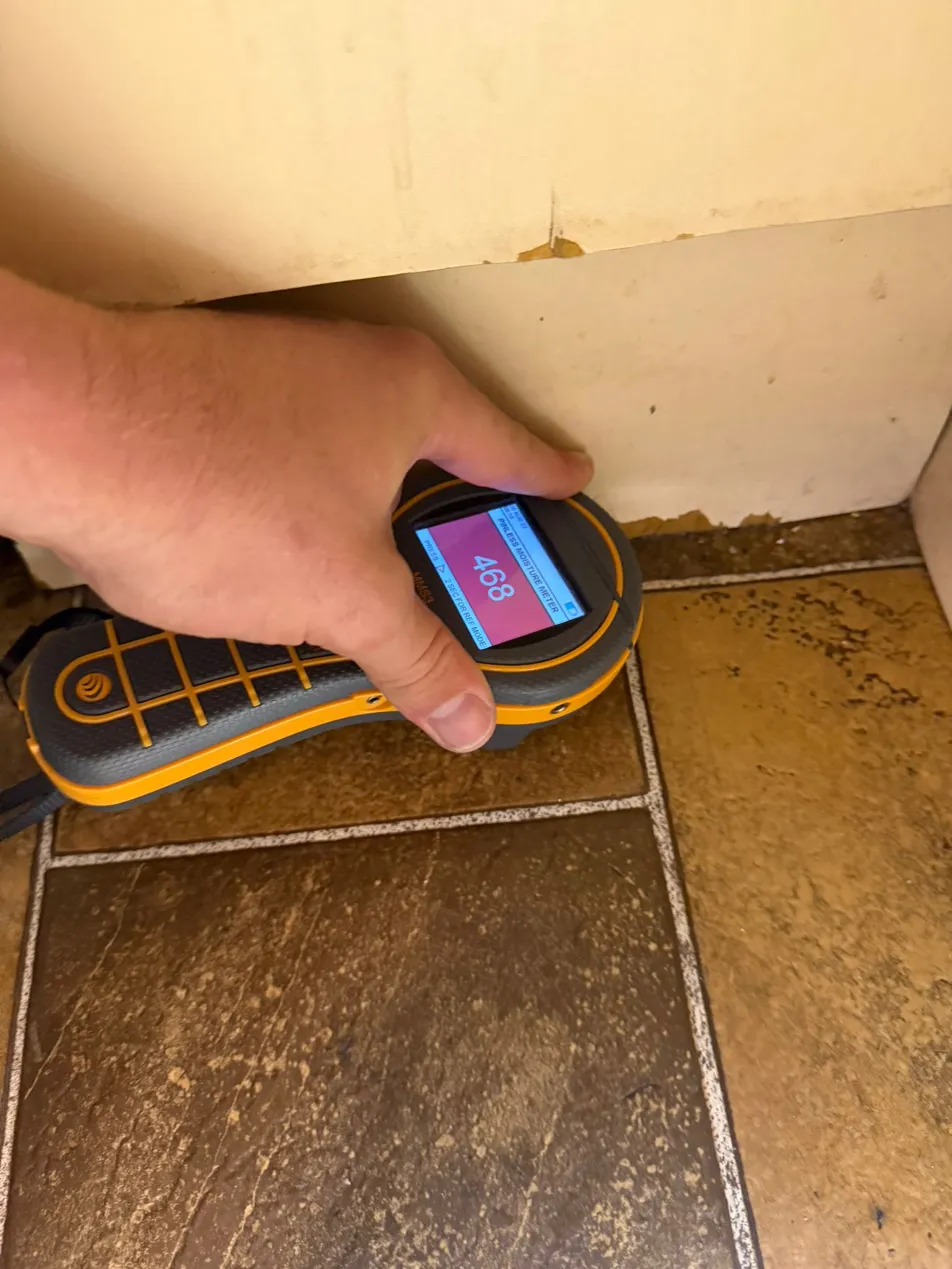
Pinless moisture meter at wall and floor junction
  • Moisture mapping with calibrated meters and thermal imaging
  • Active and historic leak detection
  • Building envelope and waterproofing assessment

Humidity & HVAC Investigations

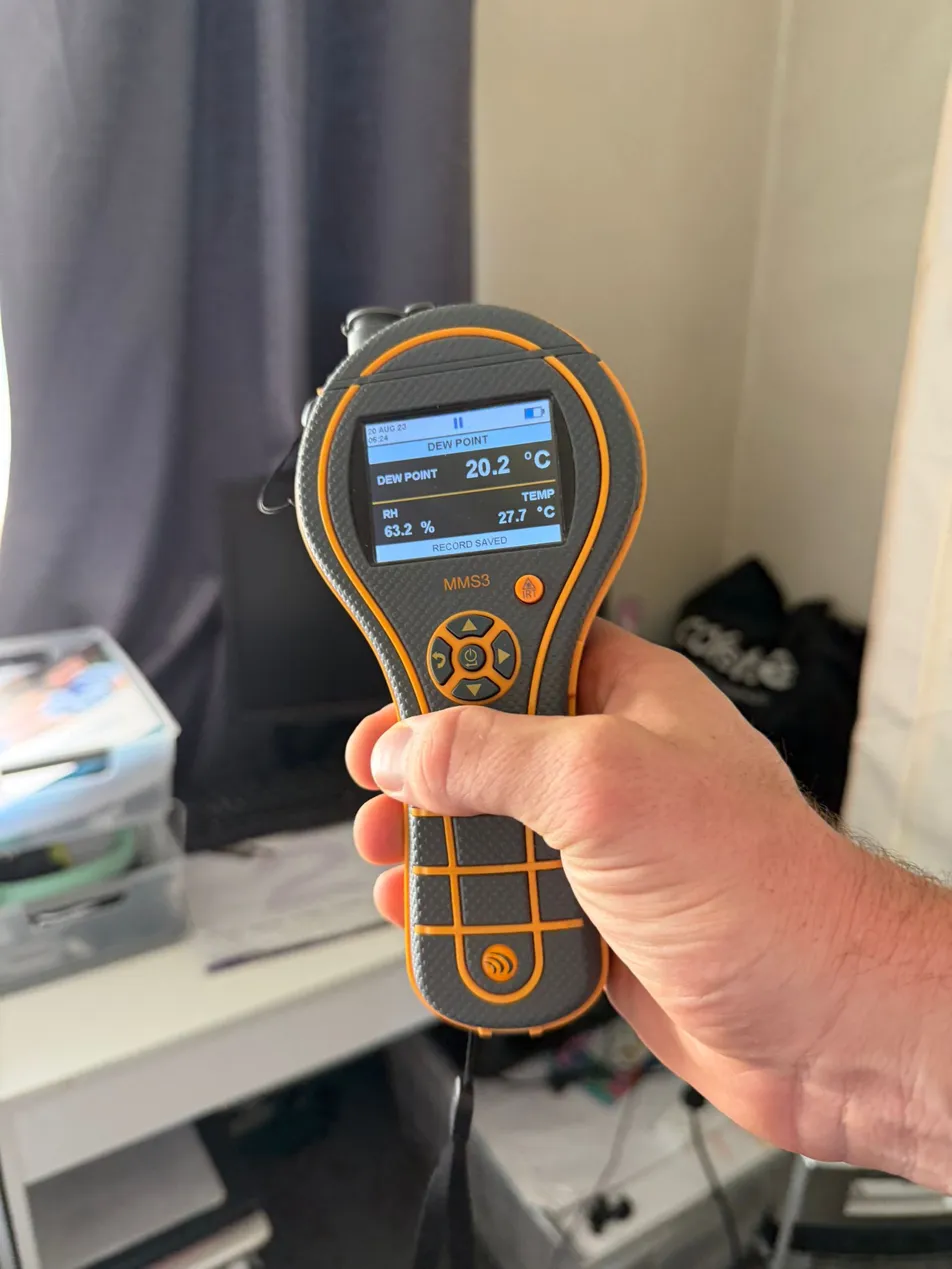
Dew point and humidity meter reading on site
  • Air handling unit, coil and ductwork performance review
  • Condensation, dew point and psychrometric analysis
  • Ventilation rate and pressure relationship verification

Healthcare & Critical Environments

  • Hospital, aged care and clinical space assessments
  • Works alongside facility IPC and engineering teams
  • Focused on moisture source and HVAC — not clinical risk assessment

Technical Reporting & Advisory

Every ProMould report is structured to serve as a WHS risk management record under the Managing the Risks of Biological Hazards at Work Code of Practice (Safe Work Australia, March 2026). It documents hazard identification, risk assessment methodology, sampling chain of custody, and independent control recommendations — the components a PCBU needs to demonstrate that a qualified, independent specialist was consulted and their findings acted upon.

  • Structured written reports with clear methodology and reasoning
  • Independent remediation scoping and oversight (we do not perform works)
  • Insurance reporting support

Incident Assessment

For buildings where a change event has occurred — water damage, HVAC shutdown, flood, fit-out, or an exposure incident — the 2026 WHS Code of Practice on biological hazards creates a reassessment obligation. Our incident assessment is scoped to the triggering event and typically faster to mobilise than a full engineering assessment. It produces the same structured written report and the same standard of documentation.

  • Scoped to the triggering event — water damage, HVAC shutdown, fit-out, exposure incident
  • Faster to mobilise than a full engineering assessment
  • Same structured written report and documentation standard

WHS Code of Practice

Reports built for compliance, not just diagnosis

Every ProMould engagement produces documentation structured to satisfy a PCBU's duty of care under the 2026 WHS Code of Practice on biological hazards — hazard identification, written risk assessment, specialist consultation and independent control recommendations.

Learn about WHS compliance →

Need a scoped engagement?

Tell us about the building, the problem, and the deadline. We'll propose a methodology that matches the risk.

Request an Assessment

ProMould is a focused practice. We do mould and moisture assessment — not remediation, not fit-outs, not everything. That focus is what keeps our advice independent and our scope honest.